
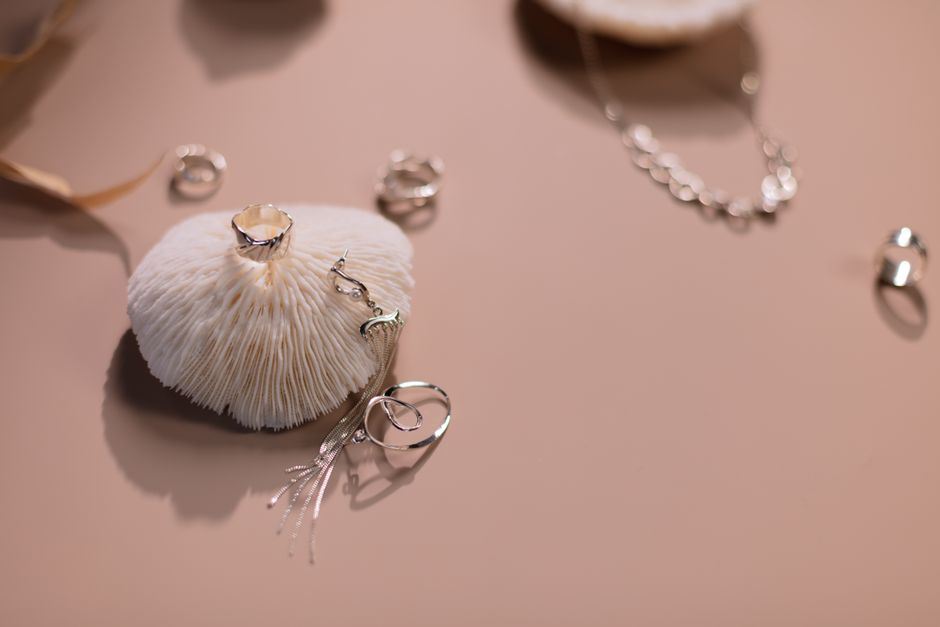
Why Jewelry Photography Makes or Breaks Your Brand
You've spent weeks perfecting your design, worked with a skilled manufacturer to bring it to life, and now you're holding a truly beautiful piece of jewelry. But if your portfolio photography doesn't do it justice, potential buyers and retail partners will scroll right past. For independent jewelry brands and designers, strong product photography is as important as the craftsmanship itself.
Whether you're presenting your collection to a boutique retailer, launching an online store, or pitching to a manufacturing partner like us here at JewelCAD Design, the images representing your work tell a story before you say a single word.
Essential Equipment for DIY Jewelry Photography
You don't need a professional studio budget to capture compelling jewelry photographs. Here's what we recommend to our designer clients getting started:
- A macro lens or macro mode: Jewelry is small and detail-rich. A 100mm macro lens on a DSLR or mirrorless camera will reveal the facets, textures, and finishes that make each piece special. Even a modern smartphone with portrait or macro mode can work surprisingly well.
- A lightbox or diffused lighting setup: Harsh shadows are the enemy of jewelry photography. A simple collapsible lightbox (available for under $50) creates the soft, even lighting that makes metal gleam and gemstones sparkle without blinding reflections.
- A sturdy tripod: Macro photography at close range means even the slightest camera shake blurs your shot. A tripod is non-negotiable for sharp, professional-looking images.
- Clean, neutral backgrounds: White, black, and grey seamless paper or velvet pads are classic choices. Velvet is particularly popular for high-end jewelry portfolio photography because it absorbs light beautifully and doesn't compete with the piece.
Lighting Tips Specifically for Metal and Gemstones
Gold, silver, and platinum each behave differently under light. Yellow gold looks richest under warm lighting, while white gold and sterling silver benefit from cooler, neutral tones. Rose gold sits beautifully between the two — experiment with slightly warm diffused light for the most flattering results.
For gemstones, the goal is to capture their brilliance and color accurately. Position a small reflector card opposite your main light source to bounce light back into the stone's facets. This eliminates dark, dead spots inside transparent gems like diamonds, sapphires, and topazes.
Pro tip: Shoot gemstone-set pieces slightly above straight-on. A 30–45 degree downward angle catches the light entering the stone from above, mimicking how jewelry looks when worn and admired in natural light.
Styling Your Jewelry for Portfolio Shoots
Context matters. Flat lay photography on a clean surface works well for minimalist brands, but lifestyle shots — jewelry on a model or draped naturally over a textured surface — communicate your brand identity more powerfully. For your formal portfolio or lookbook, consider a mix of both.
Keep props minimal and intentional. A few dried botanicals, a marble slab, or a carefully placed ribbon can complement a collection's theme without overwhelming the jewelry itself. The piece should always be the hero of the image.
Post-Processing: Enhancing Without Misleading
Light retouching in Adobe Lightroom or free tools like Snapseed is perfectly acceptable — adjusting brightness, contrast, and white balance to ensure your photos reflect the true color of the piece. However, be careful not to over-edit. Customers and retail buyers expect the real item to match what they see in your portfolio. Misrepresentation erodes trust quickly.
If you're photographing pieces fresh from casting and finishing, make sure they are properly cleaned and polished beforehand. Even minor fingerprints or dust particles become very visible in close-up macro shots.
Getting the Most from Your Manufacturing Partnership
At JewelCAD Design Ltd, we work with independent designers and jewelry brands throughout every stage — from initial CAD design and 3D printing prototypes through to casting and finishing. When your pieces arrive from our Bangkok workshop, they're ready to photograph immediately. We pay close attention to surface quality and finishing details precisely because we know how closely scrutinised jewelry is — both in person and through a camera lens.
If you're building your first collection or expanding an existing line, having high-quality physical samples to photograph is one of the most valuable investments you can make. Strong portfolio images open doors to retailers, wholesale buyers, and loyal customers who may never meet you in person.
Ready to bring your designs to life with manufacturing you can be proud to show off? Get in touch with the JewelCAD Design team today.