
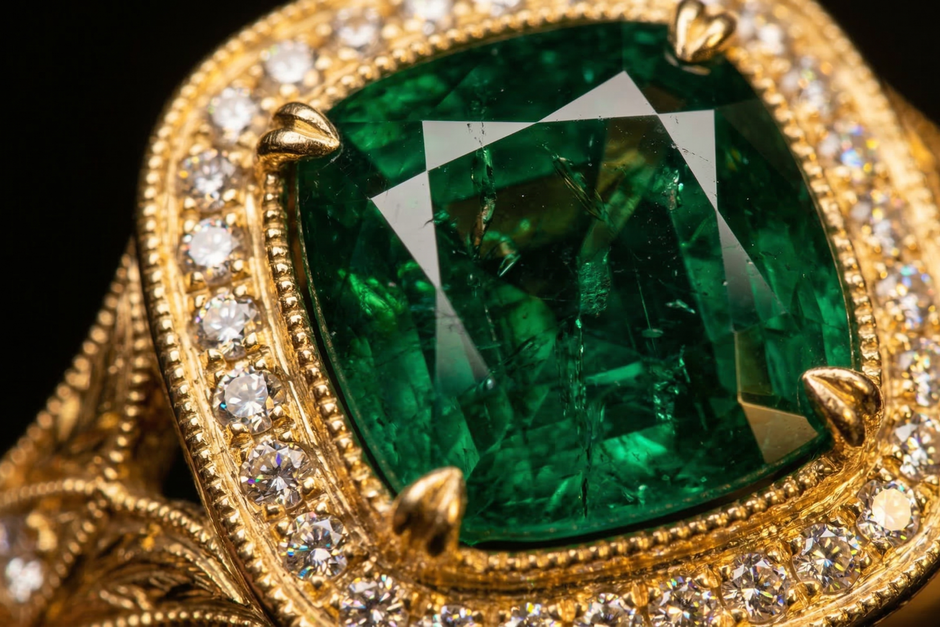
Why Stone Setting Technique Matters More Than You Think
When designers and independent jewelry brands come to us at JewelCAD Design Ltd, one of the most common questions we hear is: "Which stone setting should I use?" It seems like a small detail, but the truth is that your choice of setting technique affects everything — from the overall aesthetic and durability of the piece to the cost of manufacturing and the type of stones you can use.
Whether you're launching a fine jewelry collection, working with a retailer to develop private-label pieces, or simply refining a signature design, understanding the core differences between prong, bezel, and channel settings will help you make smarter decisions from the very first CAD file.
Prong Setting: Maximum Brilliance, Minimum Metal
The prong setting — sometimes called a claw setting — is arguably the most iconic stone-setting technique in the industry. Metal prongs (typically four or six) grip the stone from the sides, elevating it above the band and allowing maximum light exposure. The result? Unbeatable sparkle and brilliance, especially for diamonds and other faceted gemstones.
Best for: Solitaire engagement rings, stud earrings, pendants, and any design where showcasing the stone is the priority.
- Allows maximum light into the stone for superior brilliance
- Works well with round, oval, pear, and princess-cut stones
- Easier and less expensive to resize or repair
- Prongs can wear down over time and may require maintenance
"If your client wants the stone to be the star of the show, prong setting is almost always the right answer."
In CAD design, prong settings require precision placement to ensure each prong grips the girdle of the stone evenly. At JewelCAD Design Ltd, we model every prong individually to ensure a secure, symmetrical fit before the piece ever reaches casting.
Bezel Setting: Sleek, Modern, and Protective
A bezel setting surrounds the stone with a continuous rim of metal, holding it securely in place. This contemporary technique offers a clean, minimalist aesthetic that resonates strongly with modern jewelry buyers. More importantly, it provides outstanding stone protection — making it ideal for softer gemstones or pieces intended for everyday wear.
Best for: Everyday rings, men's jewelry, travel jewelry, and designs featuring softer or more fragile stones like opals, turquoise, or emeralds.
- Offers maximum protection for the stone's edges and girdle
- Low-profile design is comfortable and snag-free
- Works beautifully with cabochon cuts and unusual stone shapes
- Slightly reduces light entry compared to prong settings
From a manufacturing perspective, bezel settings require careful metalwork to ensure the metal wall is consistent in height and thickness all the way around. Our 3D printing and lost-wax casting process at JewelCAD Design Ltd ensures the bezel is perfectly formed before it reaches the bench jeweler for finishing.
Channel Setting: Elegance in Repetition
Channel setting involves placing stones side by side within a grooved channel cut into the metal band, with no metal between the stones. The result is a sleek, continuous line of gemstones — a look that has been a cornerstone of eternity bands, wedding rings, and bracelet designs for decades.
Best for: Eternity bands, anniversary rings, tennis bracelets, and any design featuring a row of matched stones.
- Creates a seamless, elegant row of stones with no prongs to catch
- Stones are well-protected on the sides
- Requires precisely matched stones for a professional result
- More complex to resize after setting
Channel settings demand extremely precise CAD modeling. Stone spacing, channel depth, and wall thickness must all be calculated carefully — a fraction of a millimeter can make the difference between a flawless finish and a setting failure. This is where working with an experienced CAD and manufacturing partner truly pays off.
How to Choose the Right Setting for Your Design
Here's a simple framework to guide your decision:
- Prioritizing brilliance? Go with prong setting.
- Prioritizing durability and modern style? Choose bezel setting.
- Creating a continuous stone line? Channel setting is your answer.
Of course, many high-end designs combine two or more setting techniques — a bezel-set center stone with channel-set accent stones, for example. The key is making that decision early in the design process, ideally at the CAD stage, so the entire piece is engineered to work together.
Work With a Manufacturing Partner Who Understands the Details
At JewelCAD Design Ltd in Bangkok, we work with jewelry designers, independent brands, and retailers worldwide to bring precise, production-ready jewelry to life. From initial CAD modeling and 3D wax printing to casting and finishing, our team ensures your stone settings are engineered for both beauty and longevity.
Ready to start your next collection? Contact our team today to discuss your design requirements.