
In the competitive jewelry industry, quality control can make or break your brand's reputation. Whether you're launching an independent jewelry line or managing collections for established retailers, understanding the quality assurance process in jewelry manufacturing is crucial for delivering exceptional pieces that customers will treasure for years to come.
Why Quality Control Matters More Than Ever in Jewelry Manufacturing
Today's consumers are increasingly sophisticated and quality-conscious. With social media amplifying both positive and negative experiences, a single poorly crafted piece can damage your brand's reputation instantly. Professional jewelry manufacturing workshops implement rigorous quality control measures at every stage of production to ensure consistent excellence.
Quality control in jewelry manufacturing goes beyond simple visual inspection. It encompasses material verification, dimensional accuracy, structural integrity, and finishing standards that meet both industry benchmarks and your specific brand requirements.
Essential Quality Control Checkpoints in the Manufacturing Process
CAD Design Verification
Quality control begins at the design stage. During CAD development, experienced designers review technical specifications including:
- Proper wall thickness for structural integrity
- Stone setting compatibility and security
- Manufacturing feasibility assessment
- Material usage optimization
- Sizing accuracy across different ring sizes
At this stage, potential issues are identified and resolved before moving to production, saving both time and costs while ensuring the final piece meets your vision.
3D Printing and Master Model Inspection
When 3D printed models are produced, quality control technicians examine:
- Surface finish quality and detail reproduction
- Dimensional accuracy using precision measuring tools
- Support material removal completeness
- Model integrity for casting purposes
This checkpoint prevents defective masters from entering the casting process, where corrections become significantly more expensive and time-consuming.
Material Quality Verification: The Foundation of Excellence
Professional jewelry manufacturers maintain strict material standards through comprehensive testing procedures. Gold, silver, and platinum alloys undergo purity verification using electronic gold testers and fire assays to ensure compliance with industry standards.
"Material quality directly impacts both the longevity and appearance of jewelry pieces. We test every batch of metal to guarantee consistency across entire collections." - Quality Control Manager, JewelCAD Design Ltd
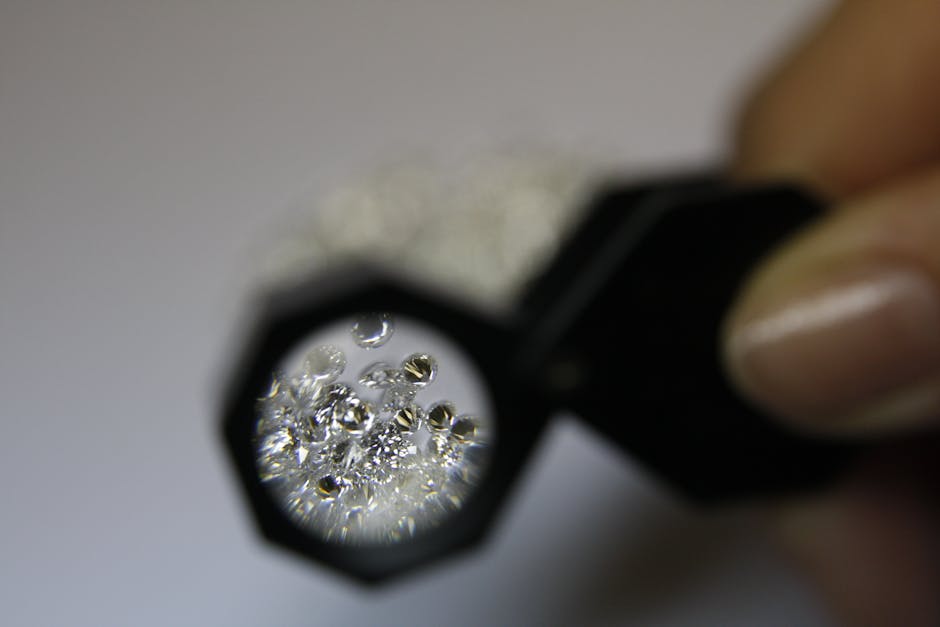
Gemstone quality assessment includes examining cut precision, clarity grades, color consistency, and proper certification documentation. This is particularly crucial for custom jewelry manufacturing where stone matching across multiple pieces is essential.
Casting Quality Control: Preventing Common Production Issues
The casting process requires careful monitoring to prevent defects such as:
- Porosity from improper metal temperature or vacuum levels
- Incomplete fills due to inadequate sprue design
- Surface imperfections from contaminated investment
- Dimensional distortion from thermal stress
Experienced casting technicians adjust parameters based on piece complexity, metal type, and environmental conditions. Each casting batch undergoes visual inspection and dimensional verification before proceeding to finishing stages.
Finishing and Final Inspection Standards
The finishing stage often determines the perceived quality of jewelry pieces. Professional quality control during finishing includes:
Surface Preparation Assessment
Evaluating file marks, sanding scratches, and overall surface uniformity before polishing begins. This prevents finishing defects that become apparent only after final polishing.
Polishing Quality Verification
Checking for consistent shine levels, proper rouge removal, and absence of polishing compound residue in crevices or stone settings.
Stone Setting Security
Testing prong tension, bezel tightness, and overall stone stability using gentle pressure and visual inspection techniques.
Documentation and Traceability in Quality Control
Professional jewelry manufacturing workshops maintain detailed quality control records for each piece or batch. This documentation includes:
- Material certifications and test results
- Production parameters and operator identification
- Inspection results at each checkpoint
- Any corrective actions taken during production
- Final approval signatures and timestamps
This traceability system enables rapid identification of any issues and provides valuable data for continuous process improvement.
Choosing a Manufacturing Partner with Robust Quality Control
When evaluating potential jewelry manufacturing partners, consider these quality control indicators:
- Documented quality management systems and procedures
- Investment in precision measuring and testing equipment
- Experienced quality control personnel with industry certifications
- Willingness to provide production samples and process documentation
- Clear communication protocols for quality issues
A manufacturing partner committed to quality control will gladly discuss their processes and provide references from satisfied clients.
Cost-Effective Quality Control for Independent Designers
Smaller jewelry brands often worry about quality control costs, but prevention is always more economical than correction. Working with experienced manufacturers who integrate quality control throughout production actually reduces overall costs by:
- Minimizing rejected pieces and rework expenses
- Reducing customer returns and warranty claims
- Protecting brand reputation and customer loyalty
- Streamlining production timelines through first-pass success
Building Long-Term Success Through Quality Excellence
Quality control in jewelry manufacturing is an investment in your brand's future. Customers notice the difference between mass-produced jewelry and carefully crafted pieces that undergo rigorous quality assurance. By partnering with manufacturers who prioritize quality control, you ensure that every piece bearing your brand name meets the highest standards of craftsmanship and durability.
The jewelry industry rewards brands that consistently deliver quality, and professional manufacturing partners make this consistency achievable at any production scale.