
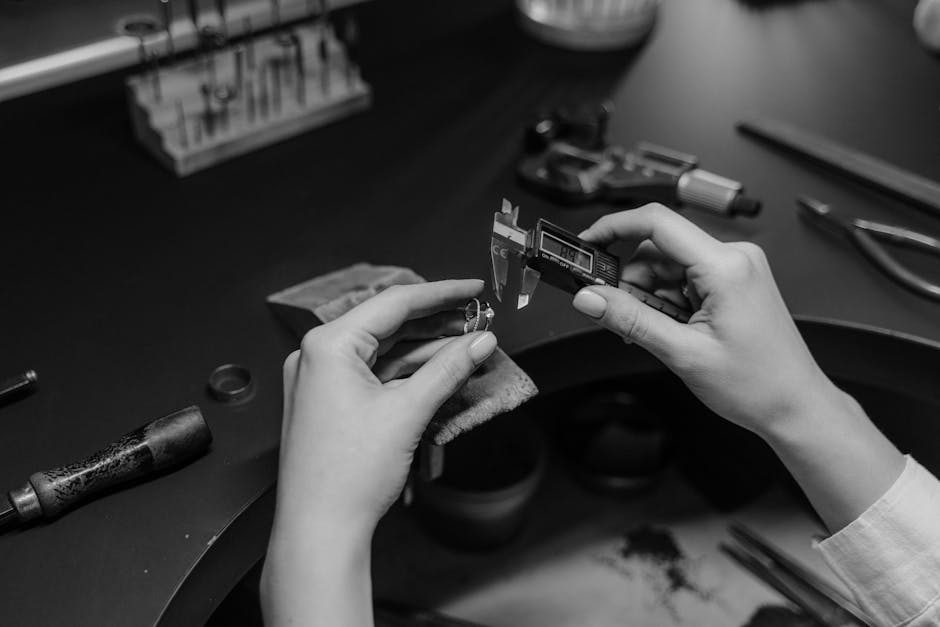
As we move through 2026, sustainable jewelry manufacturing has evolved from a trend to an industry standard. Today's consumers demand transparency, ethical sourcing, and environmentally responsible practices from their favorite jewelry brands. For designers and retailers partnering with manufacturing workshops, understanding these sustainable practices is crucial for success.
The Current State of Sustainable Jewelry Manufacturing
Modern jewelry manufacturing workshops are adopting comprehensive sustainability frameworks that address every aspect of production. From material sourcing to waste management, the industry has made significant strides in reducing its environmental footprint while maintaining quality and craftsmanship standards.
The most successful brands in 2026 are those that have integrated sustainability into their core manufacturing processes, not just their marketing messages. This means working with manufacturing partners who prioritize ethical practices and environmental responsibility.
Key Sustainable Manufacturing Practices to Look For
Responsible Material Sourcing
When choosing a jewelry manufacturing partner, prioritize workshops that source materials from certified suppliers. Look for partners who can provide documentation for:
- Recycled precious metals with verified chain of custody
- Ethically sourced gemstones with proper certification
- Conflict-free diamonds with Kimberley Process compliance
- Alternative materials like lab-grown diamonds and recycled silver
Advanced 3D Printing and CAD Design
Sustainable jewelry manufacturing heavily relies on precision CAD design and 3D printing technologies. These methods significantly reduce material waste by:
- Creating exact prototypes before production
- Minimizing material usage through optimized designs
- Reducing the need for multiple physical samples
- Enabling on-demand production to prevent overstock
Water Management and Chemical Processes
Progressive manufacturing workshops implement closed-loop water systems and eco-friendly chemical alternatives. When evaluating potential manufacturing partners, ask about their water recycling processes and chemical waste management protocols.
"The future of jewelry manufacturing lies in balancing traditional craftsmanship with innovative sustainable technologies that protect our environment while delivering exceptional quality."
Practical Steps for Brands Seeking Sustainable Manufacturing
Due Diligence Checklist
Before partnering with a jewelry manufacturing workshop, conduct thorough research:
- Request sustainability certifications and compliance documents
- Ask for detailed information about their recycling programs
- Inquire about energy sources and carbon footprint reduction initiatives
- Understand their packaging and shipping practices
Long-term Partnership Benefits
Sustainable jewelry manufacturing partnerships offer numerous advantages beyond environmental responsibility. Brands that work with eco-conscious manufacturers often experience:
- Enhanced brand reputation and customer loyalty
- Access to innovative sustainable materials and techniques
- Cost savings through efficient resource utilization
- Compliance with increasingly strict environmental regulations
Looking Ahead: Future Trends in Sustainable Manufacturing
The jewelry industry continues to evolve, with emerging technologies like blockchain for supply chain transparency and AI-optimized production processes becoming standard practice. Manufacturers are also exploring bio-based materials and carbon-neutral casting processes.
For jewelry brands looking to stay competitive in 2026 and beyond, partnering with a manufacturing workshop that embraces these sustainable practices isn't just environmentally responsible—it's a strategic business decision that positions your brand for long-term success in an increasingly conscious marketplace.