
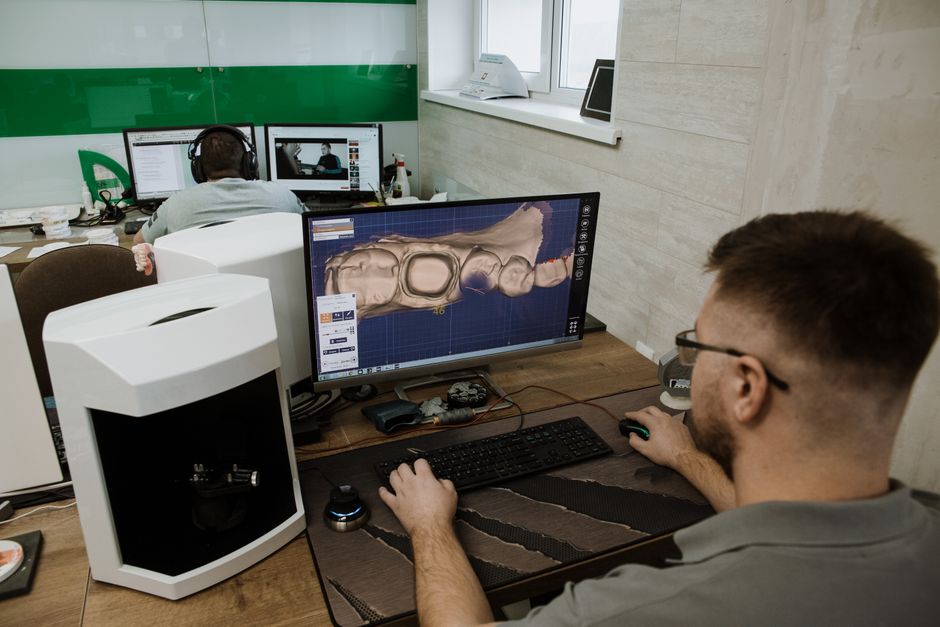
Why Jewelry CAD Design Errors Cost You More Than You Think
Jewelry CAD design has transformed how independent brands and retailers bring collections to life. But even experienced designers — and especially those new to the craft — make recurring mistakes that lead to failed prints, flawed castings, and expensive delays. At JewelCAD Design Ltd, we review hundreds of client files every year, and we see the same issues come up time and again.
Whether you're working with a manufacturing partner in Bangkok or producing in-house, understanding these pitfalls before you send your file to production can save you significant time and money.
1. Wall Thickness That's Too Thin
One of the most frequent issues we encounter in jewelry CAD files is insufficient wall thickness. Designers often create visually stunning renders that simply cannot survive the casting process. As a general rule, walls should be no thinner than 0.8mm for gold and silver castings, and slightly more for larger structural elements. Anything thinner risks cracking during burnout or collapsing during metal injection.
Practical tip: Use your CAD software's wall thickness analysis tool before exporting. In Matrix or Rhino, you can run a draft analysis to catch problem areas early.
2. Ignoring Shrinkage Allowances
Metal shrinks as it cools after casting — typically between 5% and 10% depending on the alloy. If your CAD model doesn't account for this, your finished piece will come out smaller than intended. This is especially critical for ring sizing and stone seat dimensions.
Practical tip: Always communicate with your casting house about their specific shrinkage rates. At JewelCAD Design Ltd, we advise clients on alloy-specific compensation values before any file goes to print.
3. Poorly Designed Stone Settings
Prong settings that are too short, bezel walls that are too tall, or pavé seats that are incorrectly drilled — these are among the most common jewelry CAD modeling errors we see. Stone settings must account for the setter's working space, the stone's exact dimensions (not just nominal size), and the metal's behaviour after polishing.
- Always model settings using calibrated stone dimensions, not approximate sizes
- Ensure prong tips extend at least 0.3mm above the girdle of the stone
- Leave enough metal around pavé holes to avoid cracking during setting
4. Over-Complicated Undercuts
Undercuts — areas where the mold cannot release cleanly — are sometimes unavoidable in jewelry design, but they should be intentional. Unnecessary undercuts complicate mold-making, increase production costs, and can cause casting defects. If you're planning to produce a design in volume using rubber molds, your 3D model needs to be designed with mold pull direction in mind from the start.
Practical tip: If your design requires complex undercuts, discuss direct casting from wax prints rather than vulcanized rubber molds. This is often a smarter route for intricate pieces.
5. Not Designing for the Correct Manufacturing Method
There's a meaningful difference between a file optimized for lost-wax casting versus one prepared for direct metal 3D printing. A design intended for casting needs sprues, appropriate surface texture, and clean boolean operations. Designs for direct printing have different structural requirements altogether. Sending the wrong file type to your manufacturer creates confusion and rework.
"A beautiful render means nothing if the file can't be manufactured. Design for the process, not just the screen." — JewelCAD Design Ltd Workshop Team
6. Missing or Incorrect File Formats
Sending a mesh file (.STL) when your manufacturer needs a solid NURBS model (.3DM or .STP) is a surprisingly common issue. Mesh files cannot be easily edited, and they often contain geometry errors that cause print failures. Always confirm the required file format with your manufacturing partner before beginning a project.
7. Skipping the Design Review Stage
Rushing a file straight to print without a thorough design review — either internally or with your manufacturer — is perhaps the costliest mistake of all. A pre-production review catches structural weaknesses, assembly issues, and manufacturing incompatibilities before they become physical problems.
At JewelCAD Design Ltd, every client file goes through a detailed technical review before we commit it to print. This step alone has saved our clients from countless expensive reprints and casting failures.
Work With a Manufacturing Partner Who Understands Design
Avoiding these common jewelry CAD design mistakes becomes much easier when you have an experienced team reviewing your files. Whether you're launching your first collection or scaling an established brand, partnering with a Bangkok-based jewelry manufacturer who understands both the design and production side is a genuine competitive advantage.
Ready to get your designs into production without the headaches? Contact JewelCAD Design Ltd today to discuss your next project.